Featured Artist: Maria Nogueira Nössing
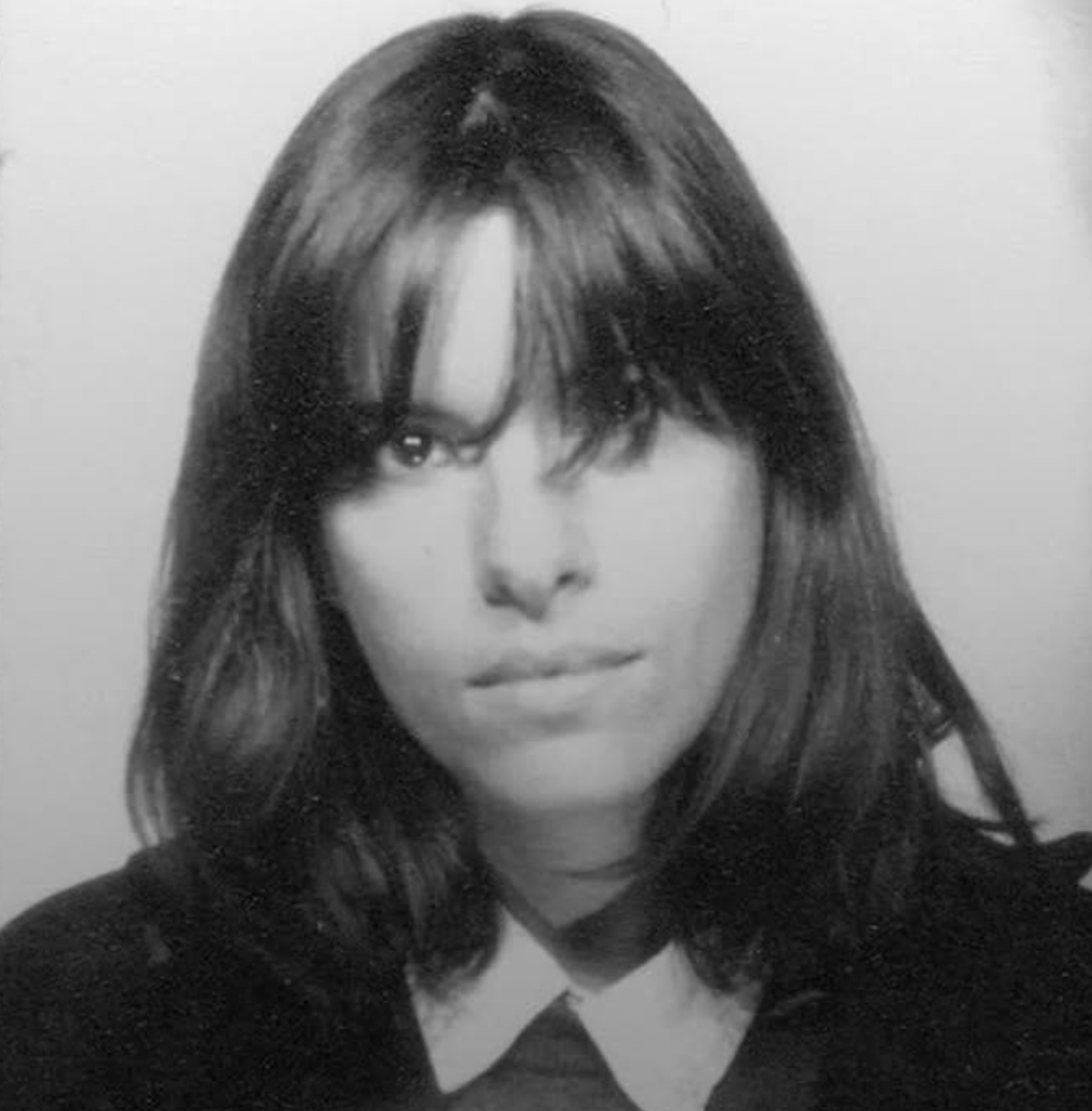
Maria Nogueira Nössing is a children’s book author, illustrator, and graphic designer. She was born and raised in Lisbon, Portugal, and now lives in Berlin, with her husband, Marcus Nogueira Nössing [multidisciplinary German artist, photographer, and musician], and their six year old son. Maria and I connected across the Atlantic and several time zones- her early evening in Berlin, my late morning in a small farming community in the Interior of British Columbia. Our shared Luso-Ancestry and last name, Nogueira, is one of many threads our conversation weaves together, as well as motherhood, postcards, the intimacy of hands, picturebooks she wrote and designed, the balance of tides, other creative work she’s done along the way- and the solace we’re both finding in the community of children’s book makers.
I’m excited to share with you treasures & textures of Maria’s creative life.
Note: unless otherwise noted, all images included in the interview belong to Maria Nogueira Nössing. I kindly ask that they not be reproduced elsewhere without her prior approval.
Marina: Maria, first of all, thank you so much for being interested and open to having this conversation.
Maria: Thank you, for inviting me. For me, this is a first!
Just before getting on our call, I was remembering when I first came across your Instagram, I noticed Maria Walnut - then I went onto your website and saw Maria Nogueira - and I thought ‘Minha chará! Eu também sou Nogueira.’
That’s interesting. Believe it or not, I don’t think I’ve ever met another Nogueira - outside of my family. I’m not sure how common it is. Now that I live in Germany, it’s a little bit of a difficult name for them to pronounce. My husband is German and his last name is Nössing - which also has a connection to nuts.
I really enjoyed browsing through your portfolio. You’ve done so many different projects- illustrations, branding, books. Was there a moment in your life when you knew you wanted to write, illustrate, and create picturebooks?
I actually started out studying science, I wanted to be a biologist. Well, the story goes back even further. I was that child who was drawing all the time. I was good at it, it was my passion. I also had a lot of other interests. I loved problem solving. The more logical side of things, which is what drew me to science in the first place.
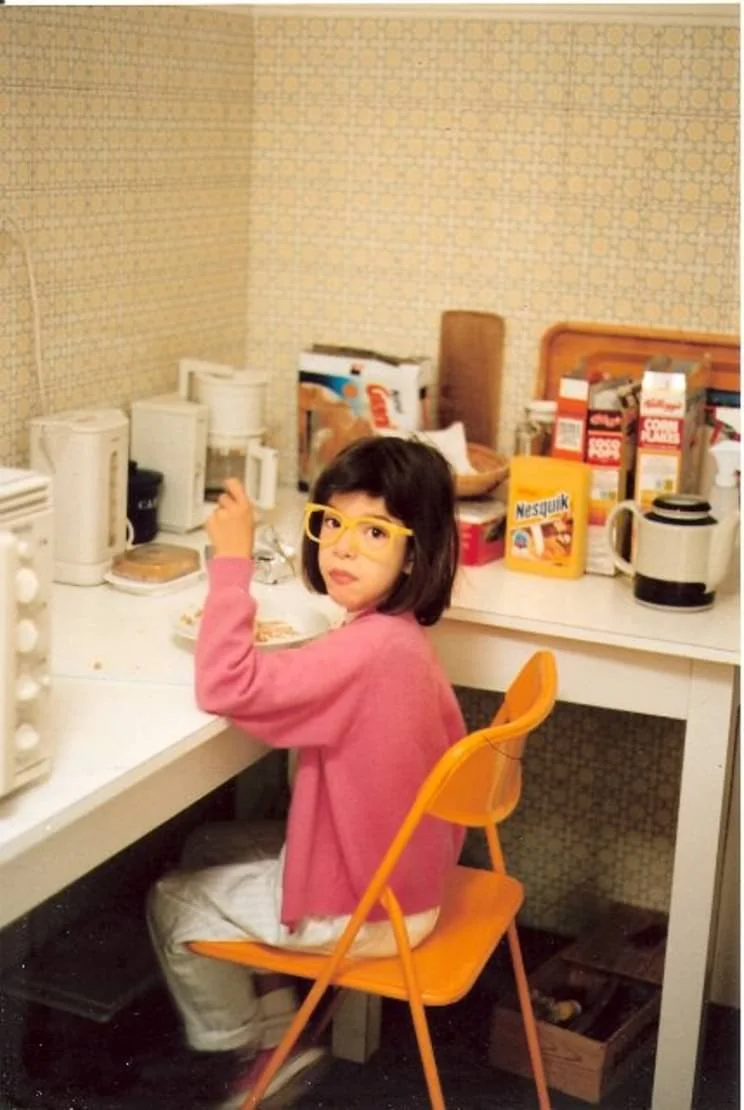
“In a way, the work I do now creating children’s books, is the last piece of the puzzle.
It’s an object, it’s design.
And a story.
I like to engage with all those layers of the process- to create characters, narratives. Small surprises, secrets even.”
In 2011, after studying graphic design in Lisbon, Maria moved to NYC to do an internship with Austrian graphic designer, Stefan Sagmeister.
“Sagmesiter was an idol. Back in the day- his work really stood out from the minimalist graphic design tendencies of the 1990s. In one of his projects, he got an intern to cut words onto his skin- to illustrate the pain of the creative process. He was really out there. I found his approach brave. He stood out from the rest. I was lucky to do this internship and to experience living in NY.”
Maria Nogueira Nössing with Jessica Walsh and Richard The, setting up the menu of the Sagmeister Inc. Website which featured a live camera.
Her time overseas helped illuminate both the things Maria appreciated about growing up in Lisbon- and elements she perceived, at that stage, as somewhat limiting aspects of life in the Portuguese capital. We talked about the changes Lisbon has undergone in the last decades and how Portugal has placed itself in the map of children’s literature through the works of local authors & illustrators being brought to light by independent publishers.
“I’m really proud of the Portuguese people in that respect. When I was growing up, there was very little in the way of Portuguese children’s literature and picturebooks that would excite me."
Can you tell me a little bit about the book “One Day I Want To Be A Children's Book Writer”... This project really stood out to me, it sparked my curiosity.
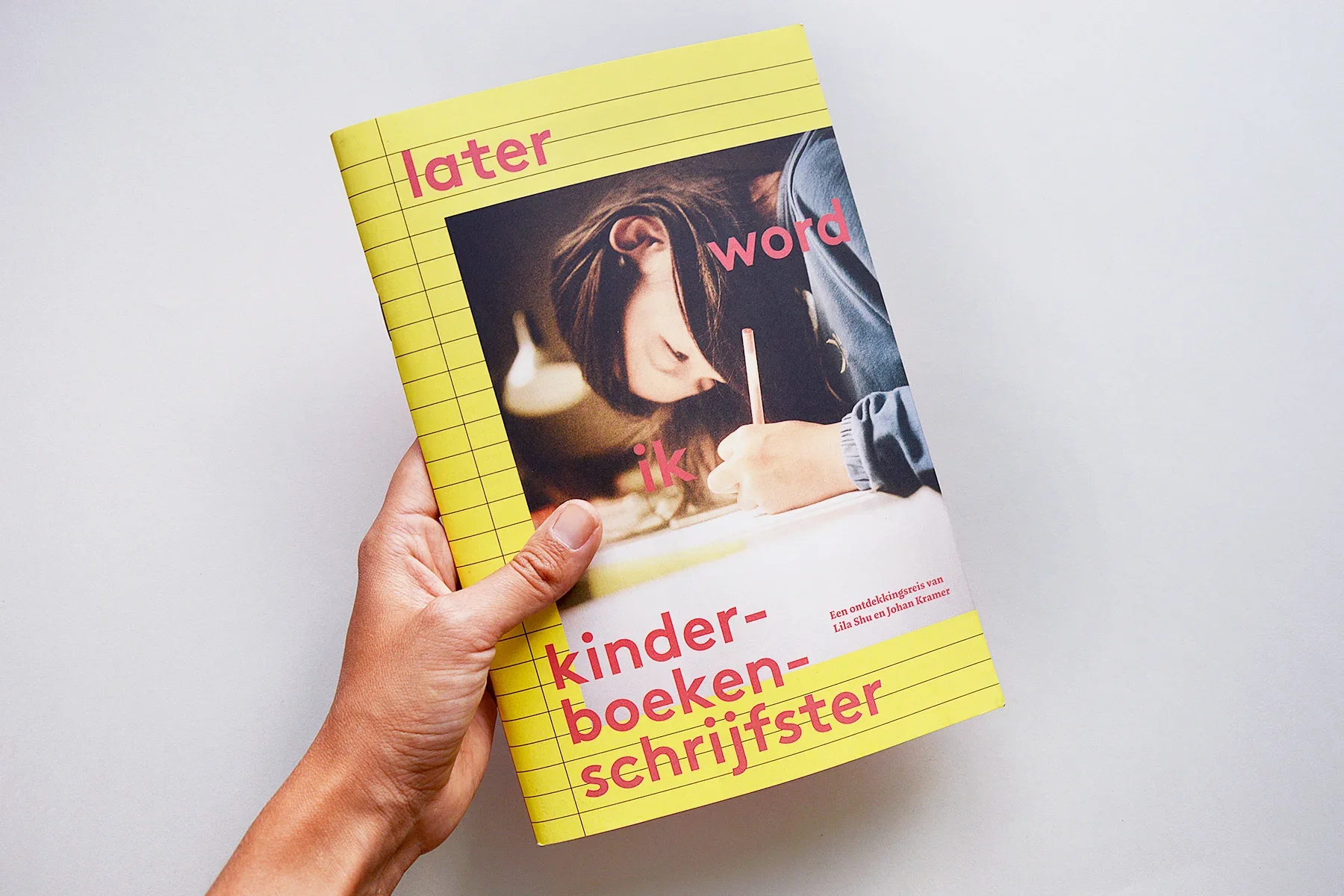
I’ve worked with Johan Kramer [Dutch photographer and filmmaker] for years. He’s an amazing character. Come to think of it, he would be an amazing character for a children’s book! We met years ago and worked together on advertising campaigns and other personal projects. Everything we did always had a strong element of storytelling. This particular book started out with his 11 year old daughter, Lila Shu. She loved writing and thought one day she’d like to write children’s books. Johan, being the creator that he is, who also happens to love analog photography- decided to collaborate with his daughter and interview children’s book authors in Holland. The interviews and photographs culminated in the book, One Day I Want To Be A Children's Book Writerand an exhibit that was part of the Children’s Book Week at the Kunsthal Rotterdam.” [click here for a photograph of the exhibit].
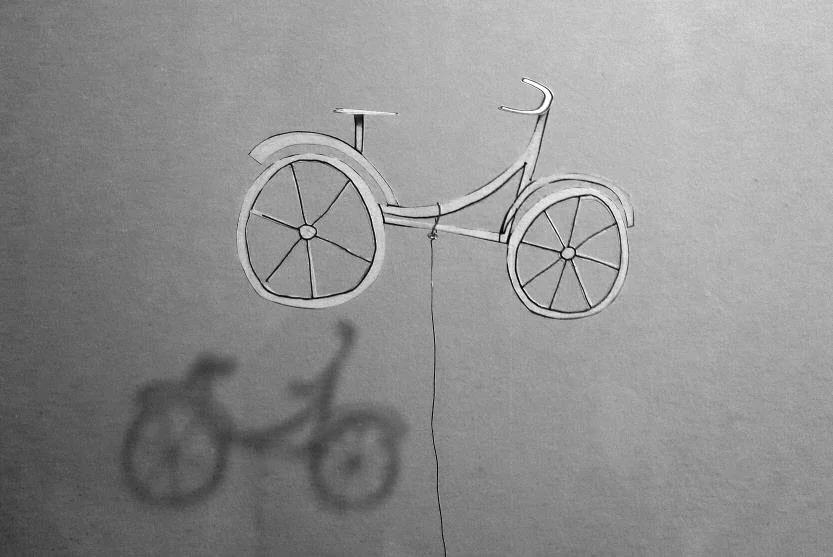
First time Maria worked with Johan Kramer. This image is part of a stop motion paper animation for the Volksbank done in 35mm, 2013
Maria continues to work as a graphic designer but in the last three years, she started focusing more on creating picturebooks. She talks about this new phase as “um desabrochar,” a “late blooming.”
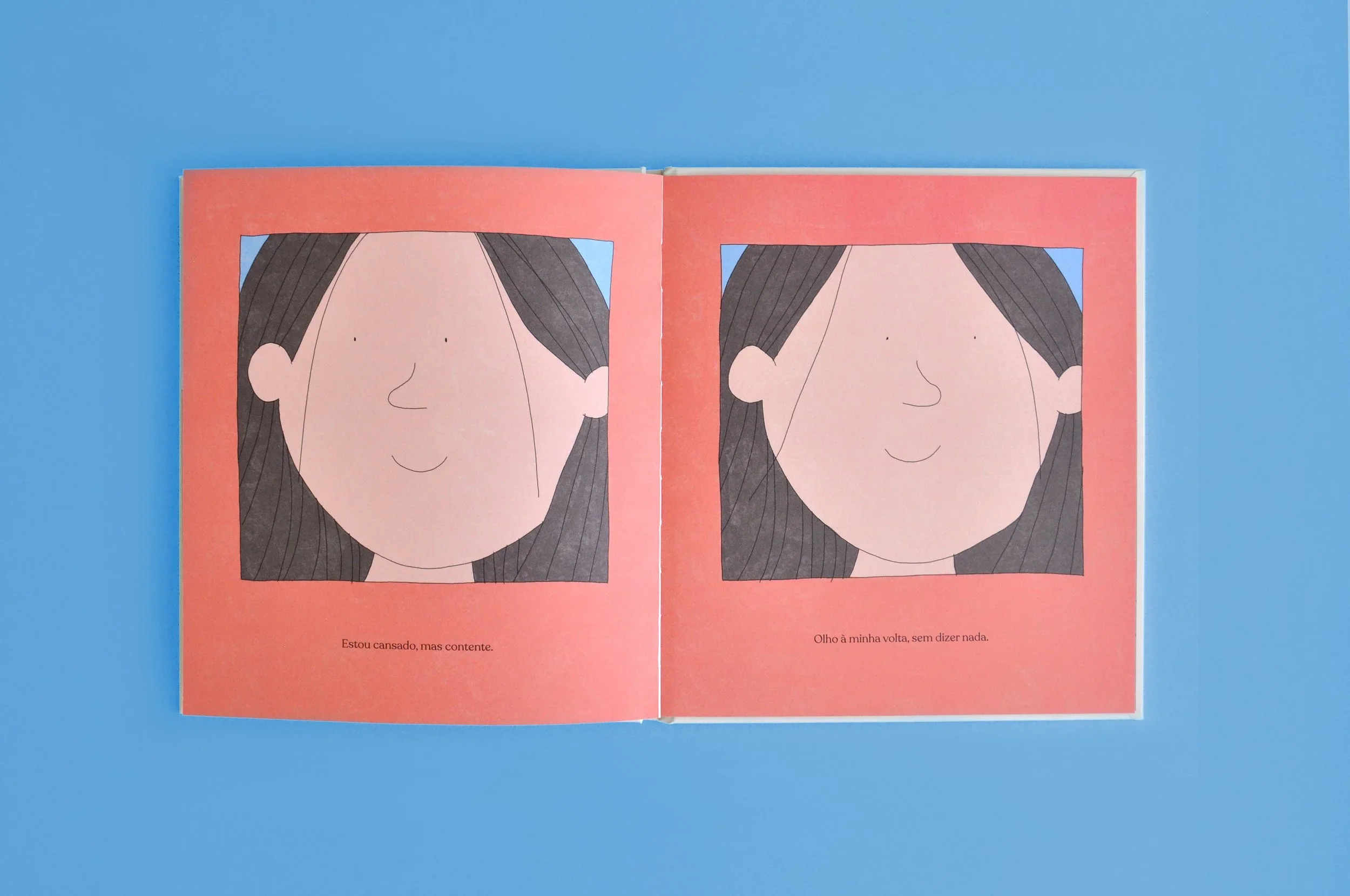
Your first picturebook, Nico [to order the book with Studio Walnut, click here], is tied to your experience becoming a mother. I love how honest it is. I saw myself in it. The illustration of the mother with these long arms stretching out… it’s that feeling of wanting to be close but also needing your space. Motherhood changes us so dramatically, to the core of our identity, and it’s not always easy. We don’t talk enough about the hardships but your book validates these feelings. It’s beautiful.
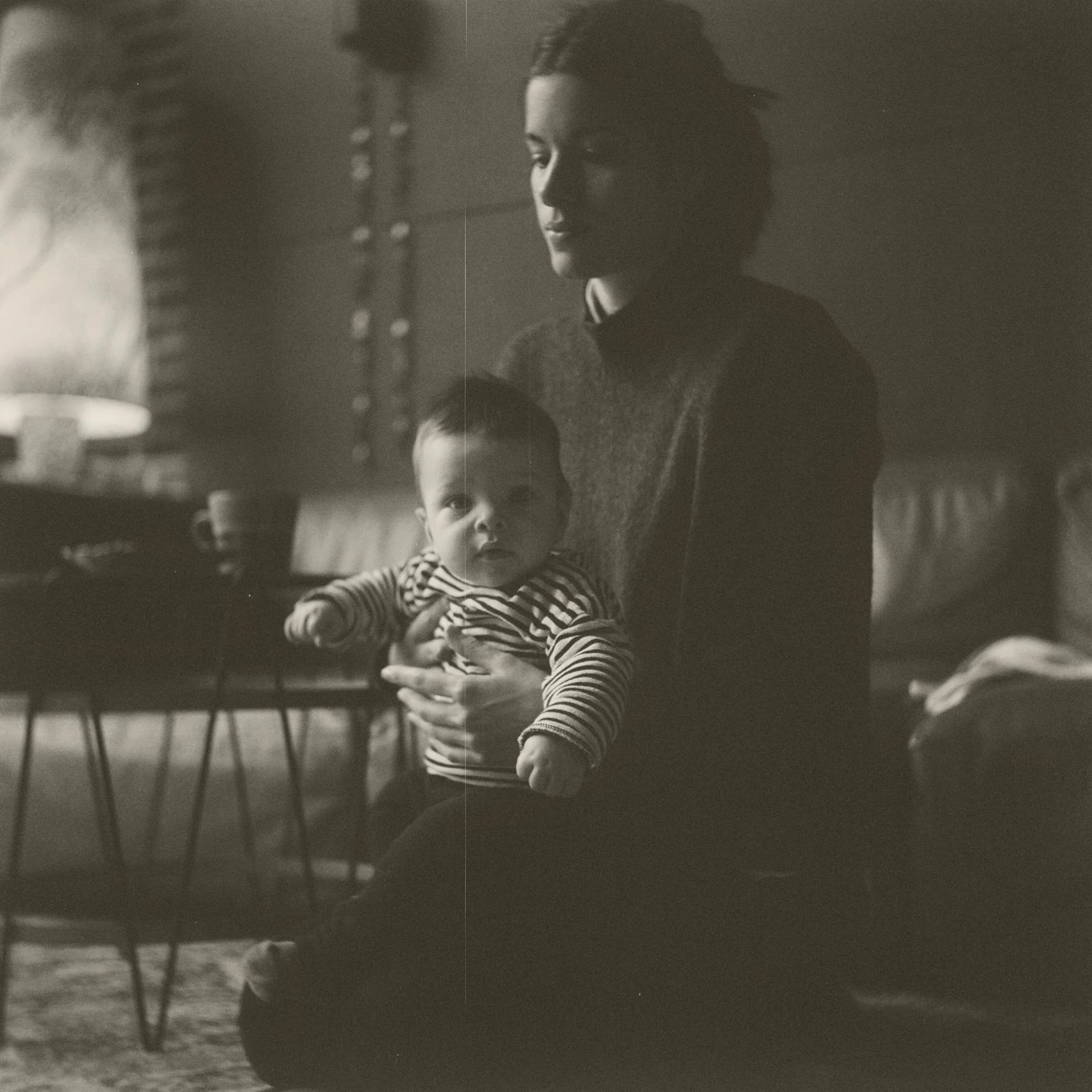
Photo by Johan Kramer
When I became a mother, I barely had time to do anything but I started drawing a sort of diary that culminated in my first picturebook. I published it myself. I didn’t have the head space or energy to pitch it to a publisher. And I don’t think I could have had anyone edit that project. Becoming a mom changed my way of being. Even my relationship with social media. I always wondered: how can we be authentic in something that is completely manufactured? It’s impossible! I started creating videos to play with this notion. But truly, what made me loose my shyness was becoming a mom and going through the wildest situations with my kid. You let go of all your hang ups.
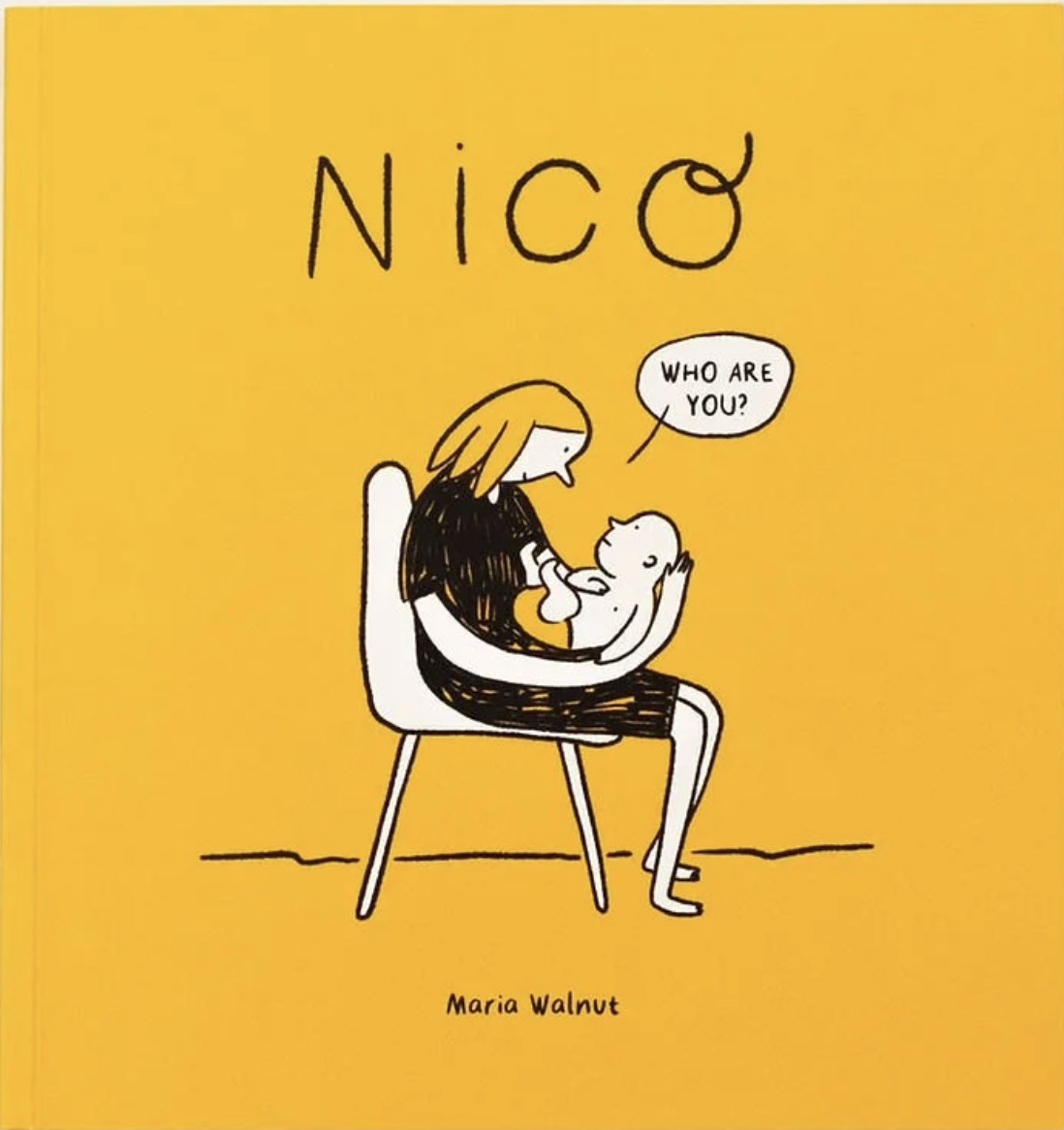
“I know this is often considered a cliché but it’s true of my experience. My son is now six years old. Becoming a mom was absolutely transformative.”
You talk about creating art for the little Maria inside of you. I love that. I think we all need to find ways of connecting with the child inside of us. Is there a particular book that helped connect with your inner child?
Wow… I don’t think there is one in particular. I’d say all of them! [Laughs] I’ve been really aware of nourishing that connection. It’s difficult to personify this experience. It’s a feeling. And that’s where my fascination comes from.
“All of my children’s books required that of me, the process asks that I go back to that place, back to being a child. If I really had to choose one where this is particularly present, I’d say it’s Todos Juntos / All Together [to order the book with Planeta Tangerina, click here]. In that book, I really wanted to recreate that hapiness that comes from being together. It really is so simple.”
I love the characters in that book. The overall idea of togetherness in a spontaneous way. Together in everyday situations. Sometimes, I think our social lives have become too structured- we think of it as something we plan. I think people used to be more connected with their immediate communities, socializing was just a part of everyday life.
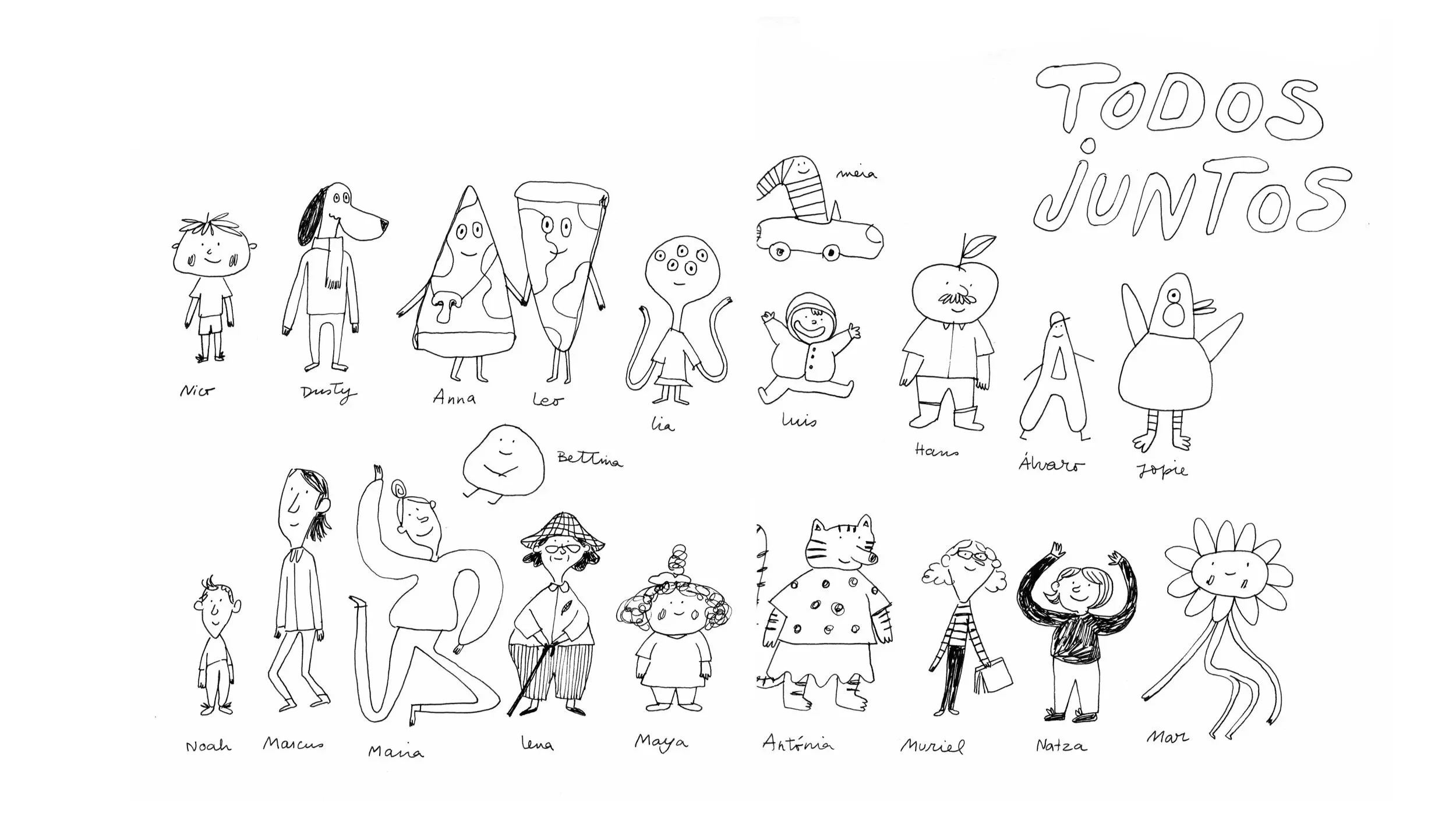
Getting back to your previous question, I think my first picturebook came from a very pure place and it also the fact that I really wanted to make books but I didn’t have the courage to pursue it fully. Back then, my aunt told me about this contest for children’s books, the SERPA International Awards for Children’s Books, an initiative by the Serpa Town Council in partnership with Planeta Tangerina, a publisher I always dreamed of working with. I had to tap into that desire, this little Maria inside of me. My book didn’t win the award but I received an honorable mention which led to the opportunity of getting my book published.”
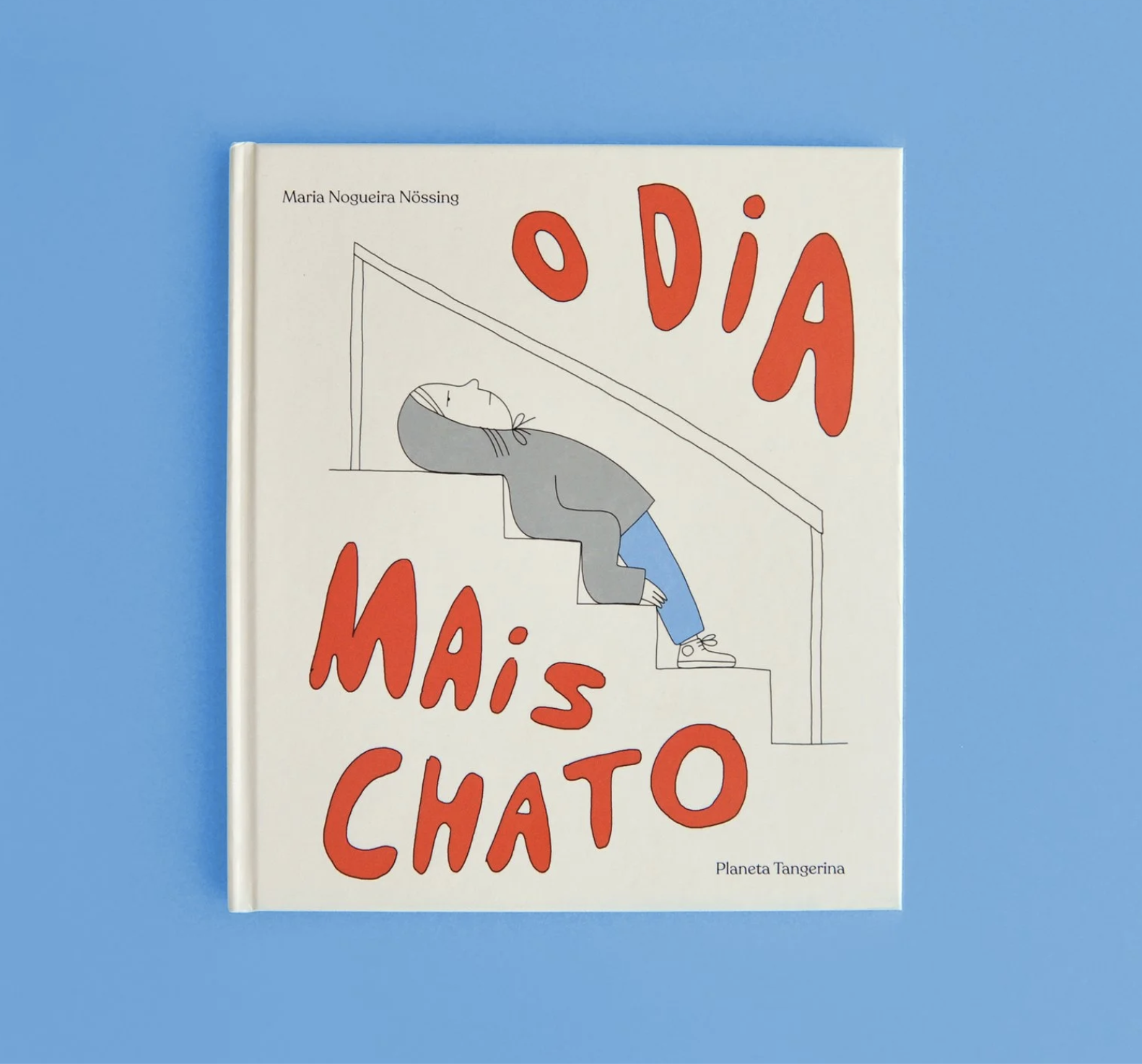
My second book, The Most Boring Day / O Dia Mais Chato [to order the book with Planeta Tangerina, click here], had a slightly different goal. Here, I wrote as a way of grappling with this experience of witnessing my son start school. I was a little unsure about this transition. I thought to myself, ‘I really hope school isn’t boring. I hope it’s okay - sometimes, for him to show up to school and not feel like doing anything. And that this feeling be respected.’ Here, I explore these thoughts, this experience when we don’t feel like doing anything. But to avoid it becoming depressing, something does happen and it turns out being a good day. But yes- I created that book to deal with a specific feeling, a fear, an experience I was living through.
This book made me think of the pandemic. My daughter was around eight at the time, she had already started school, then the lockdown happened and we ended up home schooling for a year. I was thinking about how we all had to face this need to simplify, slow down our days, to be patient. I really like the way this book explores our relationship with boredom.
Exactly. This book emerged from a personal experience I was living through. But then, I realized this theme actually went beyond that. I saw a potential to explore the busyness of our lives, the constant connectivity, through the importance of accepting and making room for boredom. There’s more to it too.
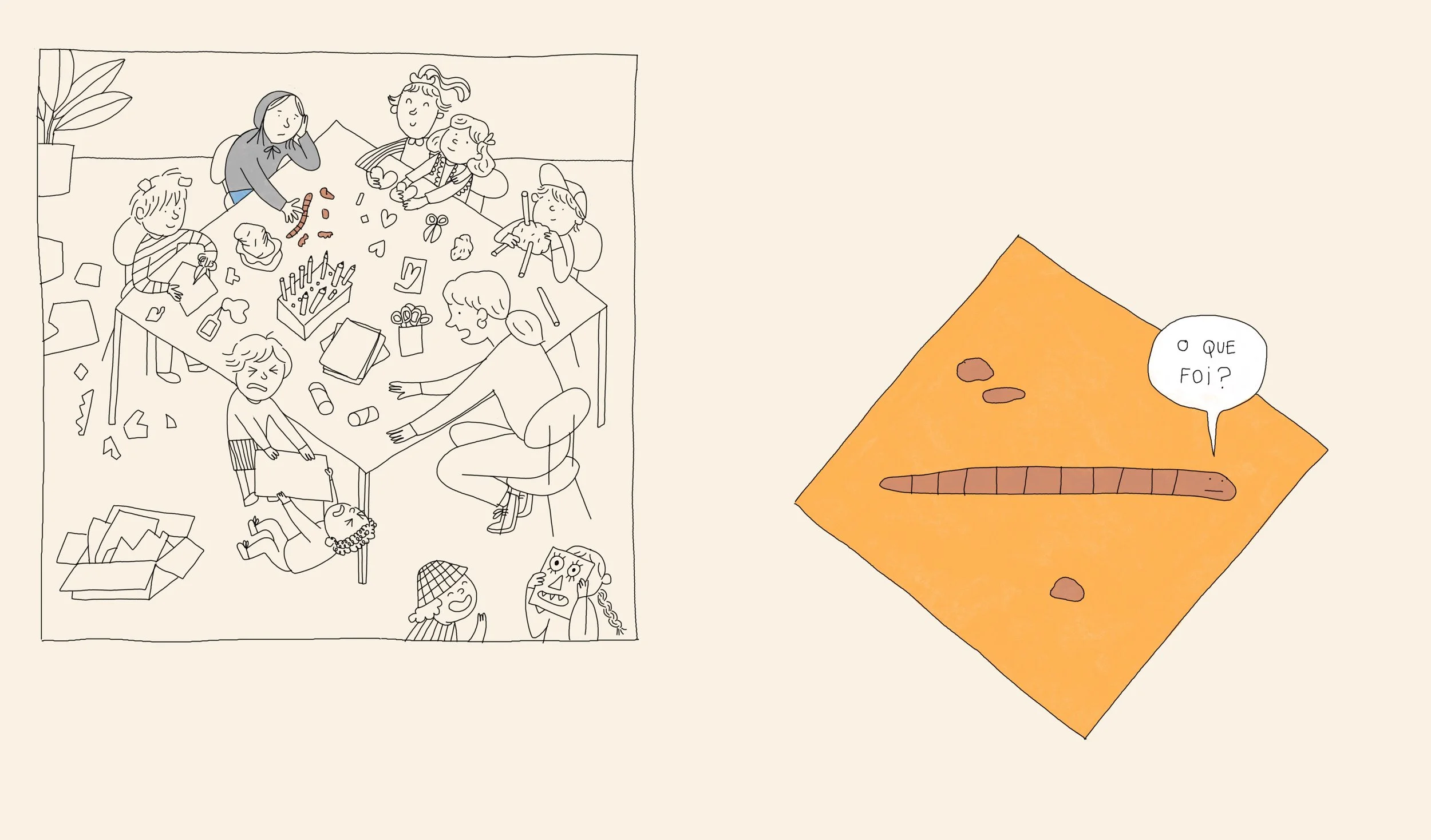
“The story also speaks of neuro-divergence. The way the story unfolds, we don’t really know what’s happening with the character. We know he doesn’t feel like doing anything but we don’t know if he’s different, or if it’s just a mood he’s in that day. I wanted the book to be abstract enough to speak of something as universal as the issue of inclusivity, without having to label the boy. I wanted to leave room for the reader to draw their own interpretation.”
There’s a photograph series of you painting a sign that reads ‘BOM DIA’ in big bold fonts. I was thinking about how you are raising your son- a little bit like me, in a different culture, a different language. How’s that experience?
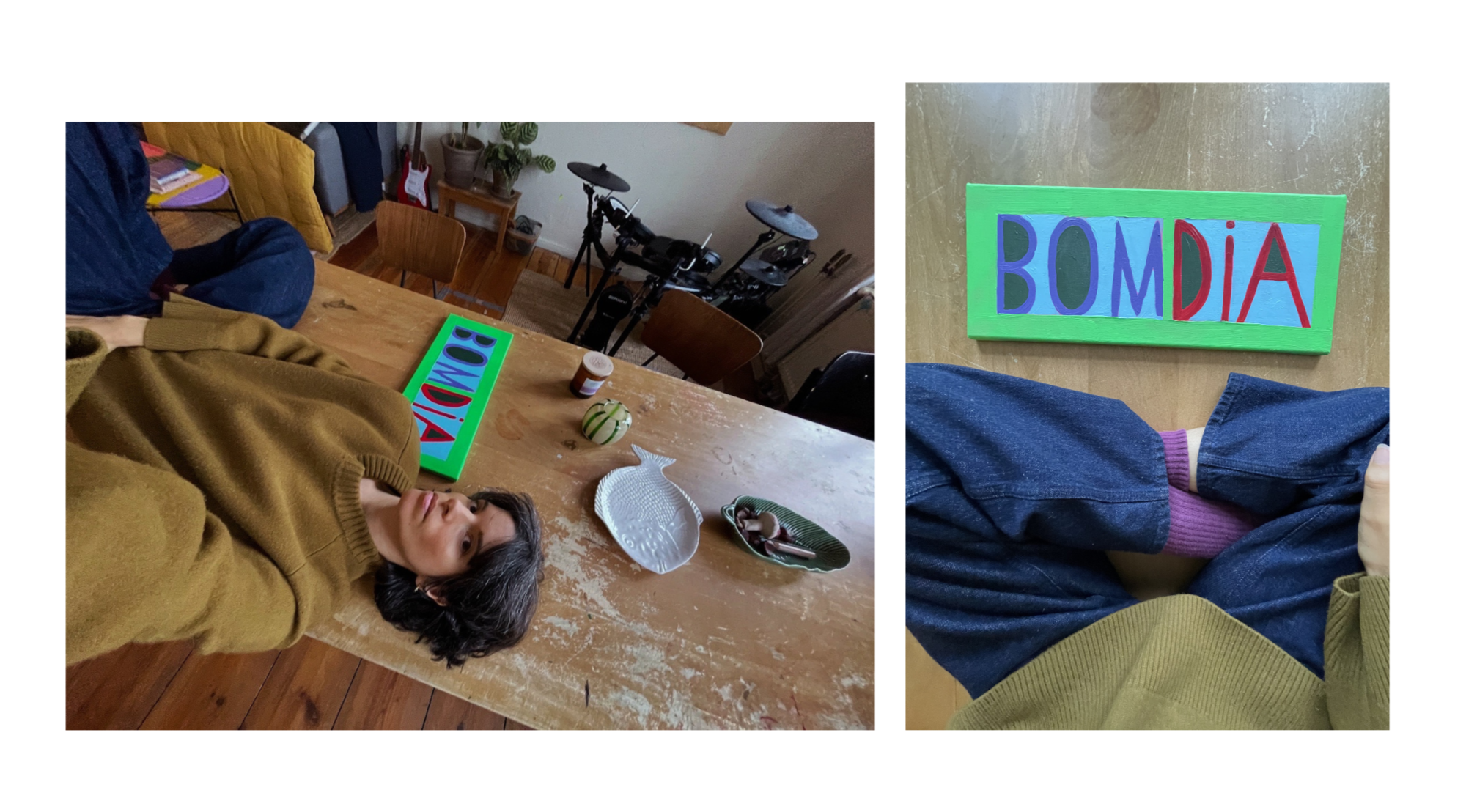
It can be challenging and bittersweet. When my son first started to speak there was much more of an equal representation of both Portuguese and German. It was beautiful. He would say one sentence in Portuguese, then he would turn to his dad and speak in German, with the limited vocabulary he had at the time. Nowadays, he speaks a lot more German. But he’s really aware of everything. Portuguese became this secrete language between us. If he wants to tell me something when there are people around and he doesn’t want them to know what’s going on, he switches to Portuguese.
[We had a brief pause, Maria went downstairs to pick up a package, when she returned, she commented on how it was already getting dark outside of her Berlin home & studio]
I became friends with Emma FitzGerald, an artist and illustrator that lives in Nova Scotia. Last month she sent me a postcard in the mail. It was such a nice experience to receive an actual piece of mail. I saw that you designed a stamp. Do you want to share a little bit about that project?
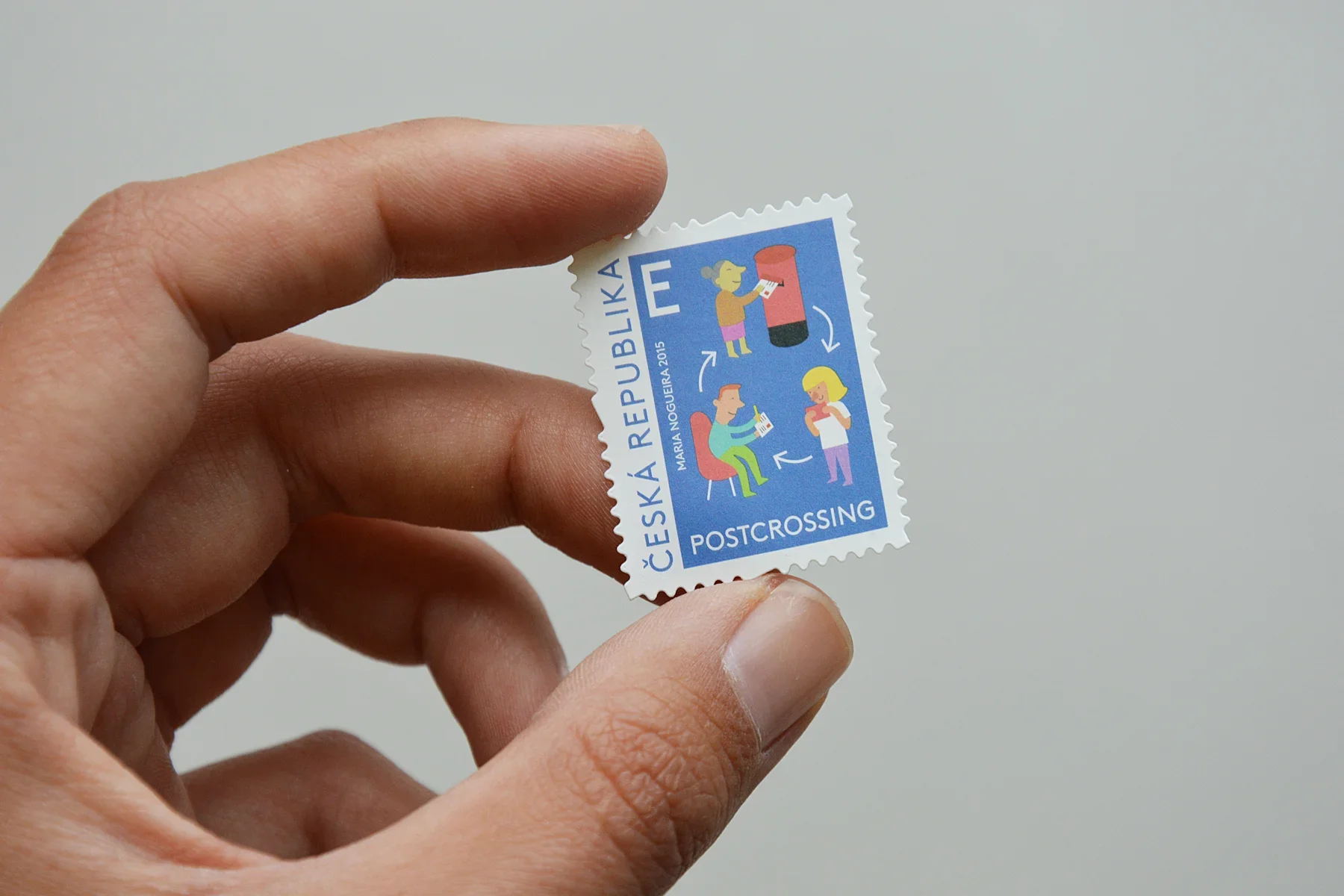
Yes! When I moved to Berlin after living in NY, I met a portuguese couple through a group of ‘Portuguese People in Berlin’ and they have a project called Postcrossing. It’s a website for people who are into postcards. You create a profile- you can even specify if there is a kind of postcard you like- with images of animals, flowers… And it connects you with other members to createe this ongoing circle of postcards. I love Paulo and Ana [the founders], they were one of my first clients. I designed their logo and we continued to work together. For this particular project, I created a stamp for the Czech Republic. Postcrossing is a community ‘um bocado nerd ’. There are so many people who are part of it, they receive hundreds of post cards, they even to in-person meet ups.
How fun. I have to tell my friend Emma about this.
When I met my husband, Marcus, I was over at his house one day and I saw a postcard attached to his fridge. I thought to myself ‘we really shouldn’t read other people’s postcards’ and I figured, I’m not going to read it, I’m just going to take a look. It had my stamp on it. I couldn’t believe it. I had to tell him that I looked at it. The stamp I designed was in this postcard he had received. One of those wild coincidences.
Wow… Speaking of your husband… Can you tell me more about the project and video you two collaborated on?
The one with the fruits? The pool song, I Don’t Wanna Go To. Honestly, we wish we had more opportunities to collaborate but then we had our son.
That’s the ultimate collaboration! [Laughs]
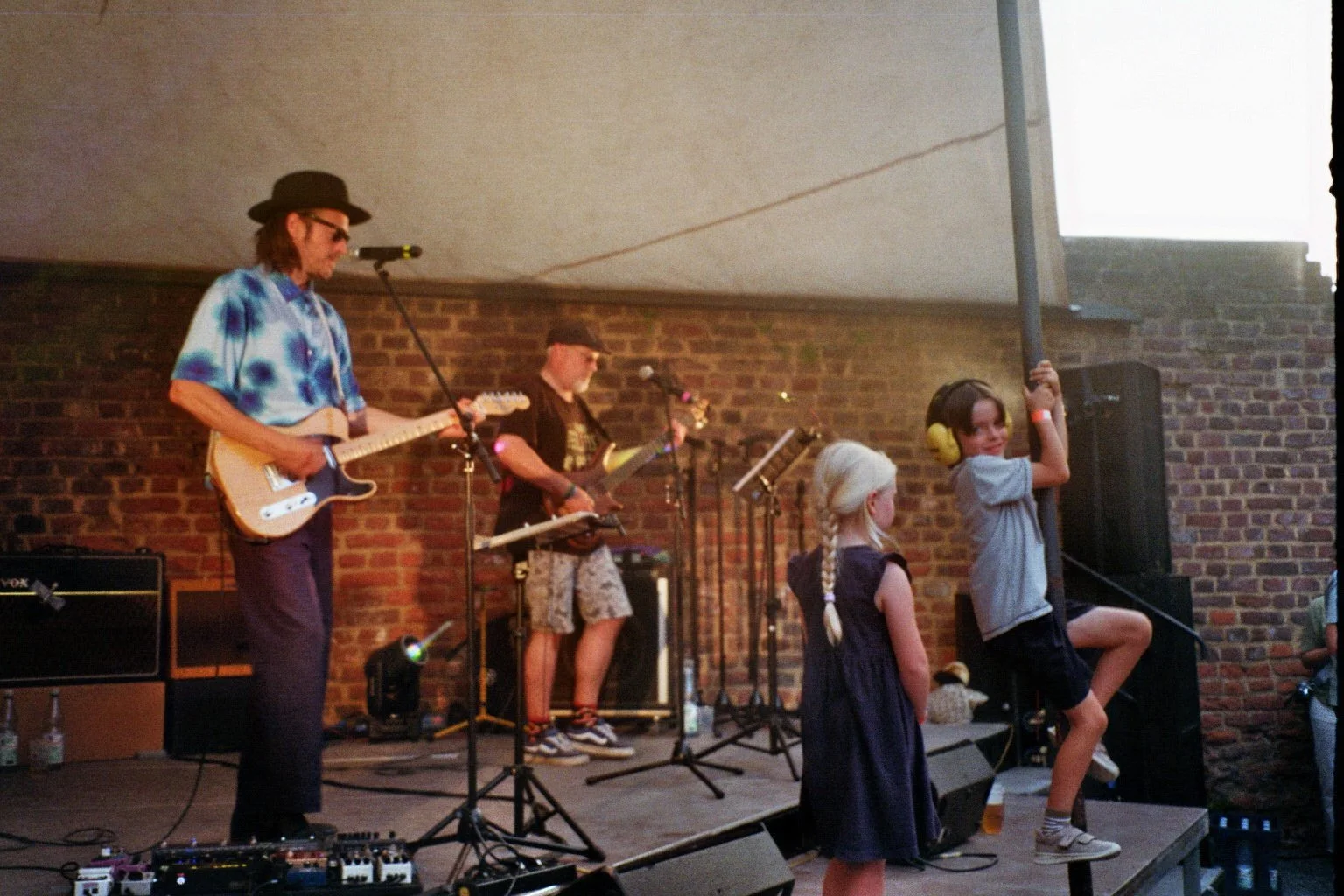
Marcus Nogueira Nössing performing a live concert, with their son on stage.
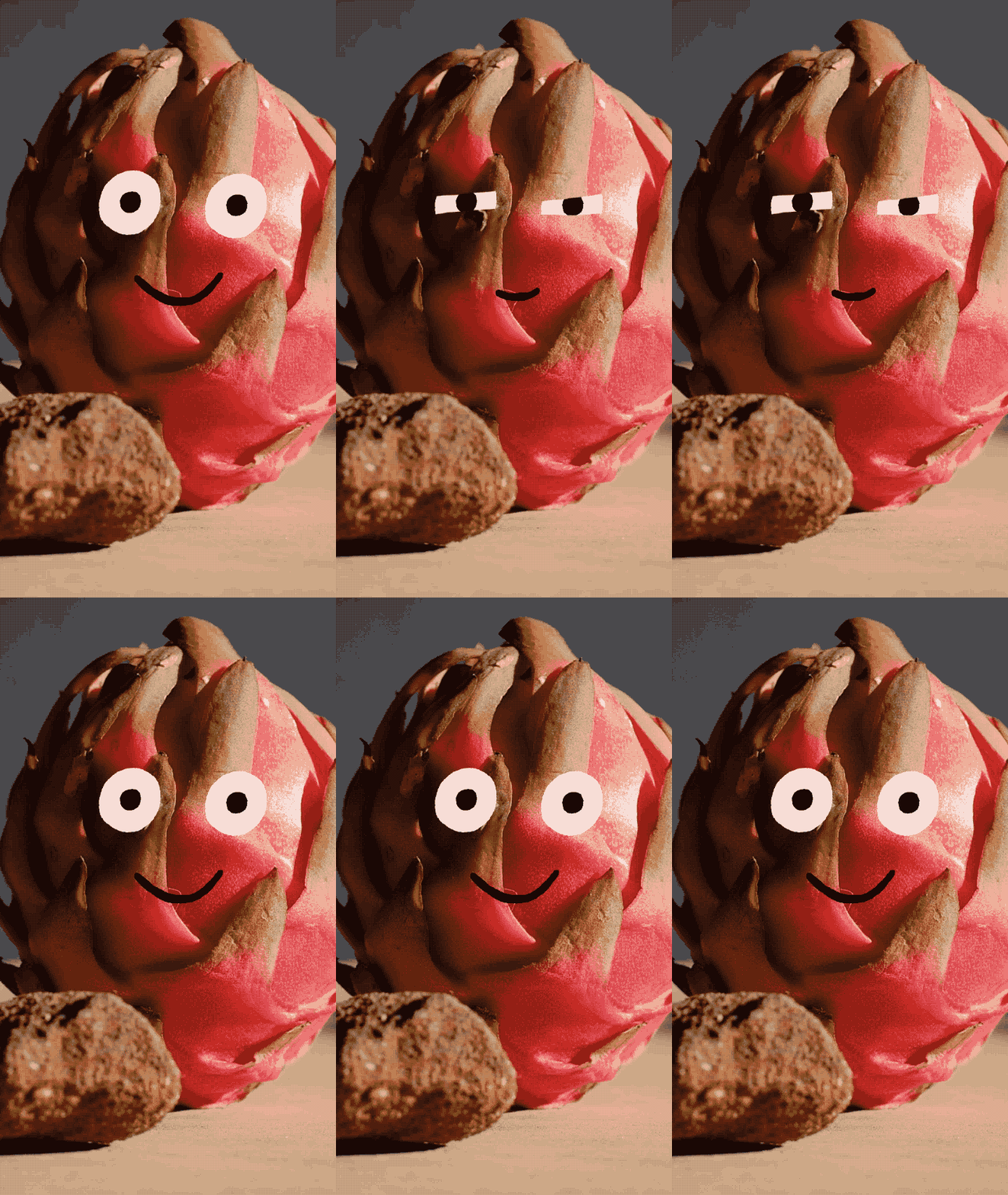
That’s right! That was our first project together [Laughs]. The video came about while we were on vacation in Portugal. Marcus had this song he’d been working on. We took images on the poolside, actually they weren’t photographs, they were videos with very little movement just using what we had with us. This was back when that filter of the lemon with eyes went viral. So we had this idea… Everyone was doing this thing of a digital collage placing their eyes and mouth in a lemon. We had already made a video together for another one of his songs. Collaborating is sort of inevitable!
Something I noticed in your portfolio and your online presence, is the use of your hands. Pictures of your hands holding your art, the palm of your hands after a day in the studio. I look at those images and think ‘Here, Maria was working with color. Here she used charcol.’ Hands are such a powerful expression of who we are. It’s different than seeing someone’s full body, or their face… Hands are so intimate.
I have something with hands too. I’ve always used my hands a lot. Showing your hands- is a simple way, without the physical proximity or touch, to be able to demonstrate your prensence. I have something with hands too. I’ve always used my hands a lot. Showing your hands- is a simple way, without the physical proximity or touch, to be able to convey your prensence.
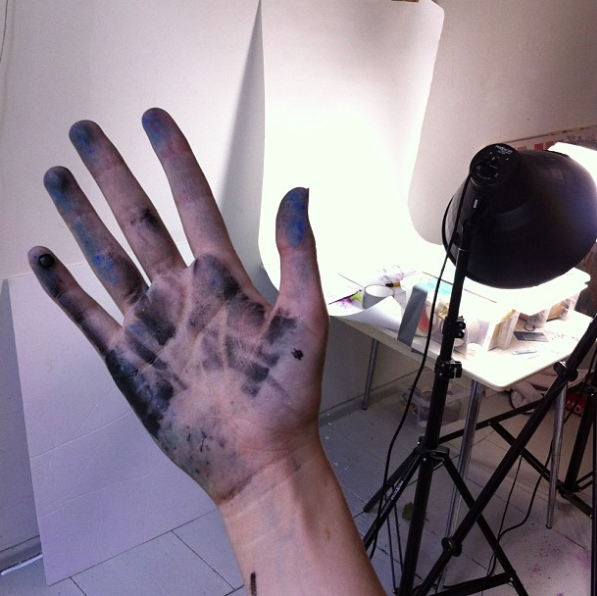
When we’re tense, we do this [closed fist]. And we can also do the opposite of that. If you think of your hands being open and relaxed, that feeling grows into other parts of your body. There’s also a connection with our creativity. All the books I’ve created have a digital element at the end but I can’t draw my initial ideas on an iPad. I need to draw on paper first.
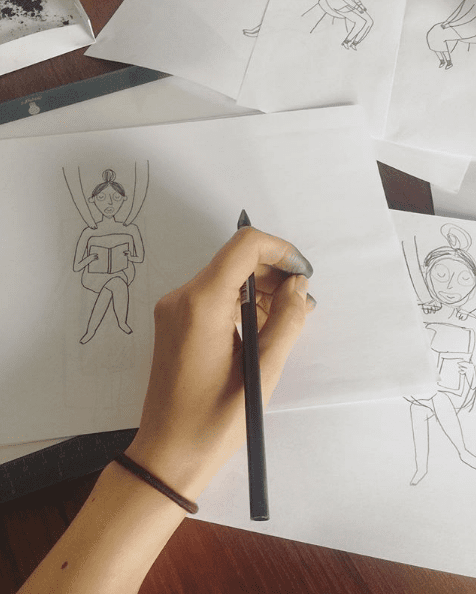
“There’s a spiritual connection between our hands and- for example, the difference between writing by hand and typying. I think they activate different parts of our brain.”
There’s a side of me that is very analytical, ‘muito mental’ but there’s this other side that is very intuitive. I like astrology, tarot… I’m a little embarassed to say this but honestly, the older I get, the more I accept all the facets of my personality- including the silly ones. Over the last years, I’ve been doing this sort of annual ritual where I pick a word to represent an intention. Last year, I chose the word BODY. I wanted to be more present in my body. I didn’t want to be so lost in my thoughts all the time. Truth is, I don’t have a new word for this year yet- I think because I’m still dealing with this.
The process of making books and art- whatever that means in the context of my life- is linked to this. This notion of what is it that I want to do. When I work as a designer, I’m usually responding to a client, creating that work for someone else.
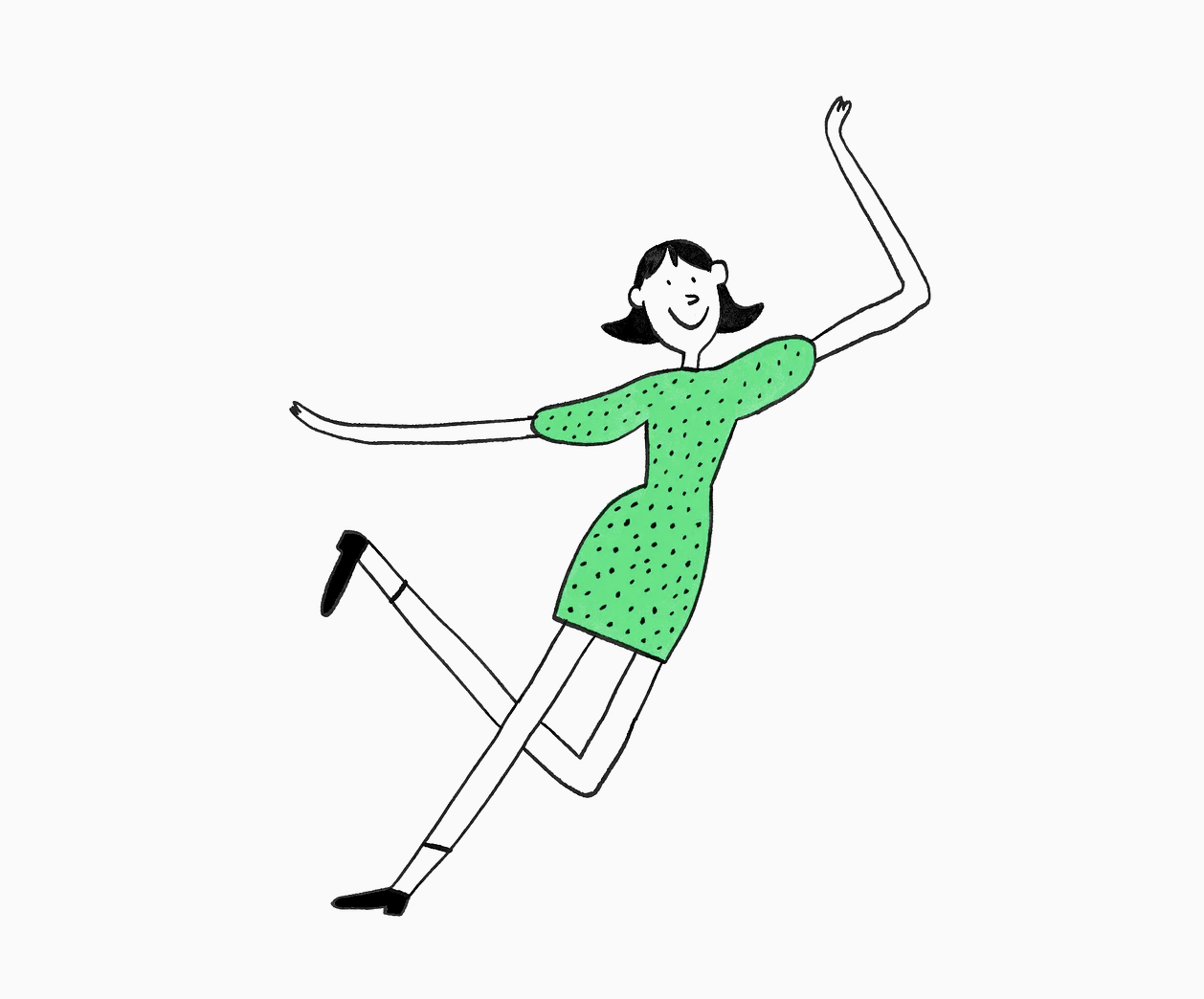
“As an author and illustrator, I get to ask myself- and I see this as a luxury really…. What do I want to say? What do I want to tell? And for me to be able to go there I have to be really connected with myself.”
On being an artist, the weight of identifying as one, and the expectations attached to it, Maria comments:
I think the term artist carries so much weight. I struggle to say I’m an artist. We have this idea of what it is to be an artist, what kind of life an artist should live… But really, it’s such a wide spectrum.
Can you describe a day in the life of Maria’s studio?
I think this is all linked to the personal work I’ve been doing, internally, externally. I’ve been feeling an incredible sense of acceptance towards the process of my work- which isn’t always steady. For example, this is a form of luxury, so to speak, but I notice I’m moving towards a way of working that is more artistic. I’ve noticed there is a need to rest, sometimes, and I’m learning to accept that instead of feeling that I’m not being productive. I feel that my life, work, body- I’m feeling a good balance with it all. My son started school this year and that changed our lives in a lot of ways, things are more structured. I think we need that structure so that we can then use time based on what we’re feeling or needing on any given moment.
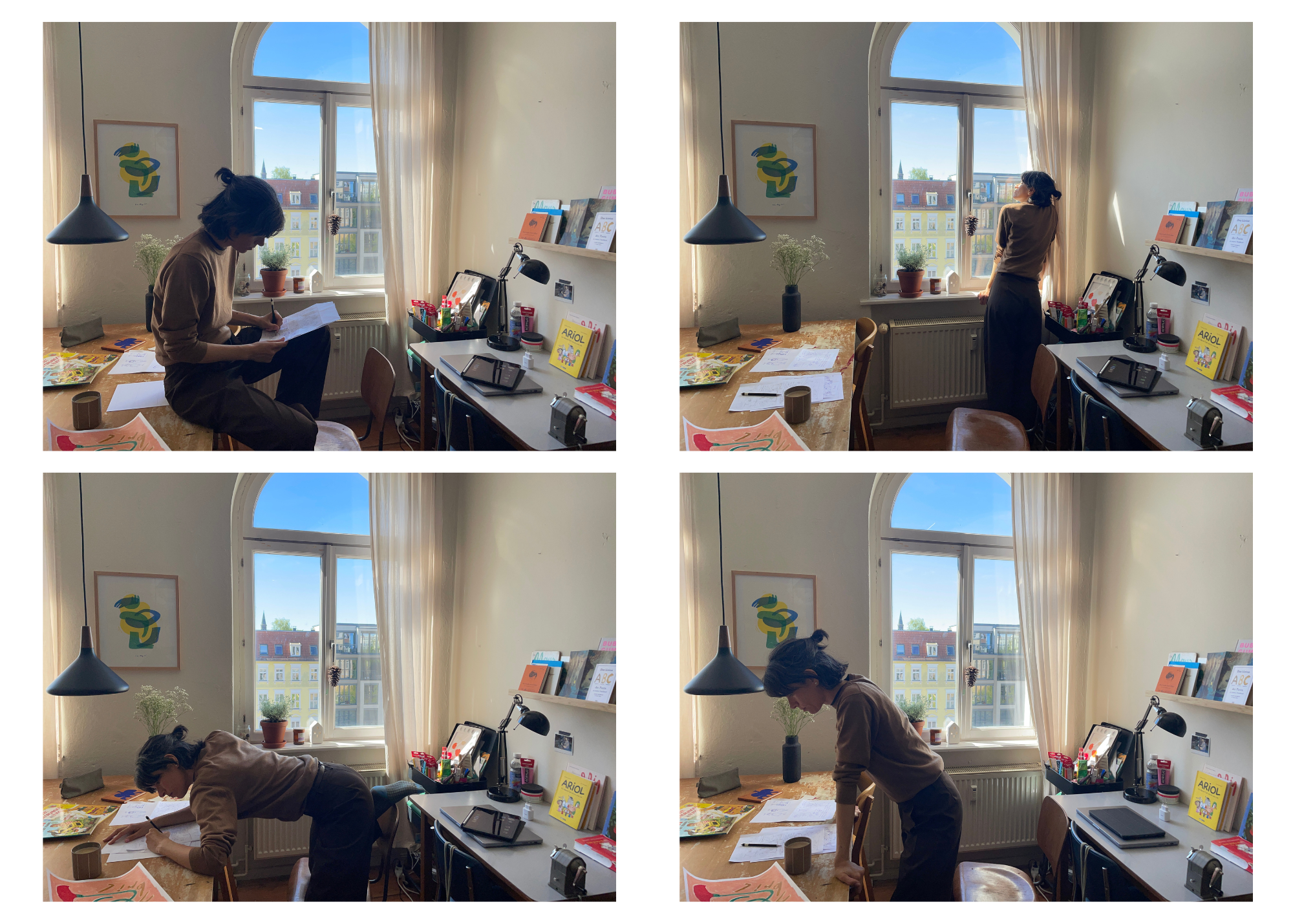
I recently finished working on my new book [The New Hat / O Chapéu]. The first days after I submitted it I panicked. I thought, “My God! What emptiness!” The book is also being published by Planeta Tangerina. It’s coming out in May but we sent it to print in time for it to be included in the Bologna Book Fair. I had been working really hard to try to meet this deadline. To be honest, I love to work under pressure. It’s the best motivation. But all of a sudden, the book was gone- ‘De repente o livro foi-se embora. Deixou a minha casa.’ And I was left with a feeling of emptiness, ‘um grande vazio.’
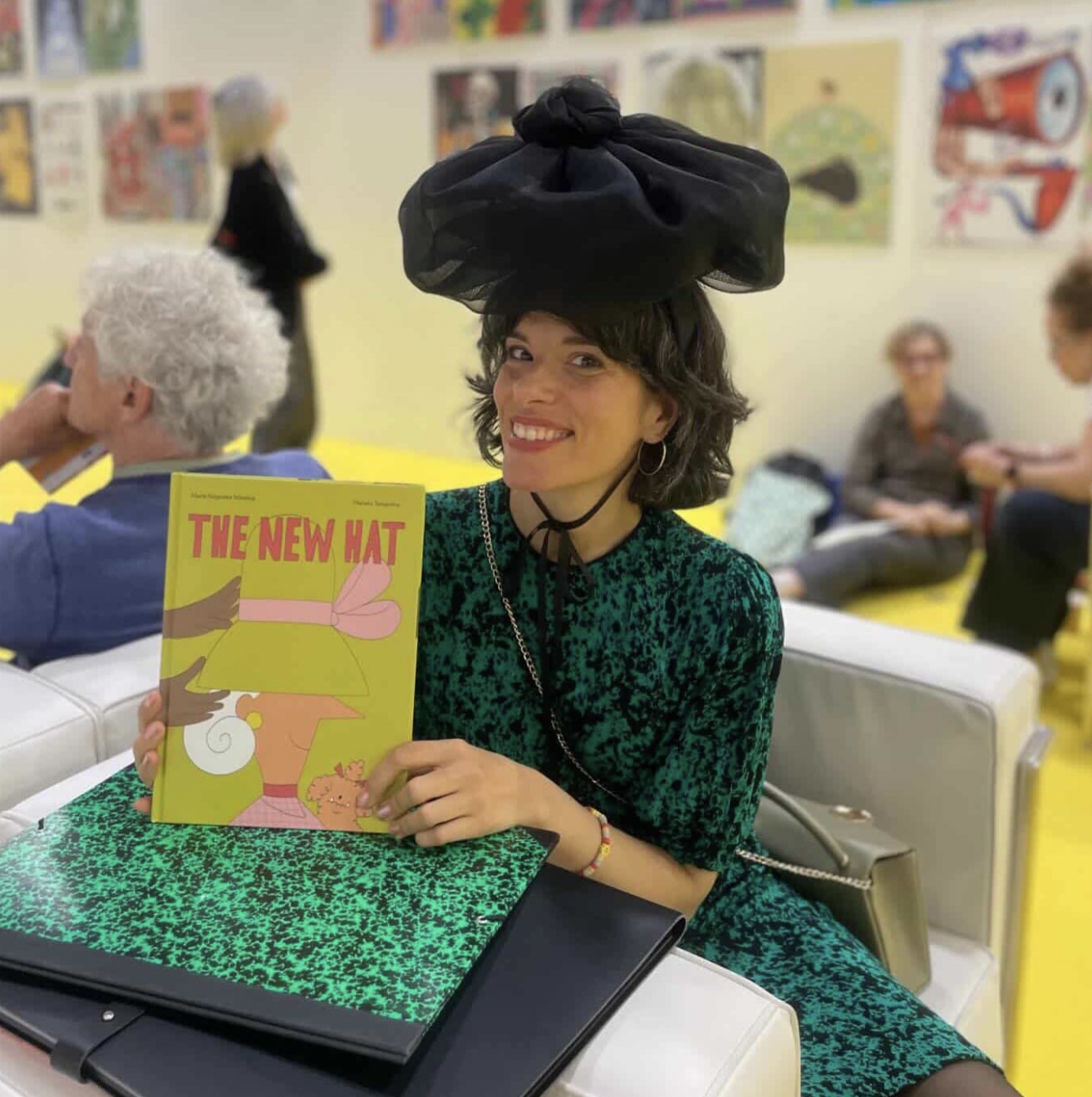
Maria with her latest publication, The New Hat / O Chapéu at the Bologna Children’s Book Fair 2026.
I think all the work that I’ve been doing [towards being more present in the body] is helping me stay calm and I realize I’m in a different phase of life.
“I’m learning to accept this notion of maré cheia e maré vazia. I’m allowing it and seeing what happens next. Right away, I was eager to get started on a new story, a new book. To make myself busy again but gladly that feeling went away and I’m exploring and noticing what it means to be in the low tide. To allow the story to come to me without pushing it.”
This is all new to me. A few years ago, I’d really be panicking. I still have design projects on the go, so a part of me feels like I’m still working, even if it’s a different flavor ‘um sabor diferente’. I’m learning to see the process and meaning of work differently.
There’s something to be said about not only accepting but learning to enjoy these down times…
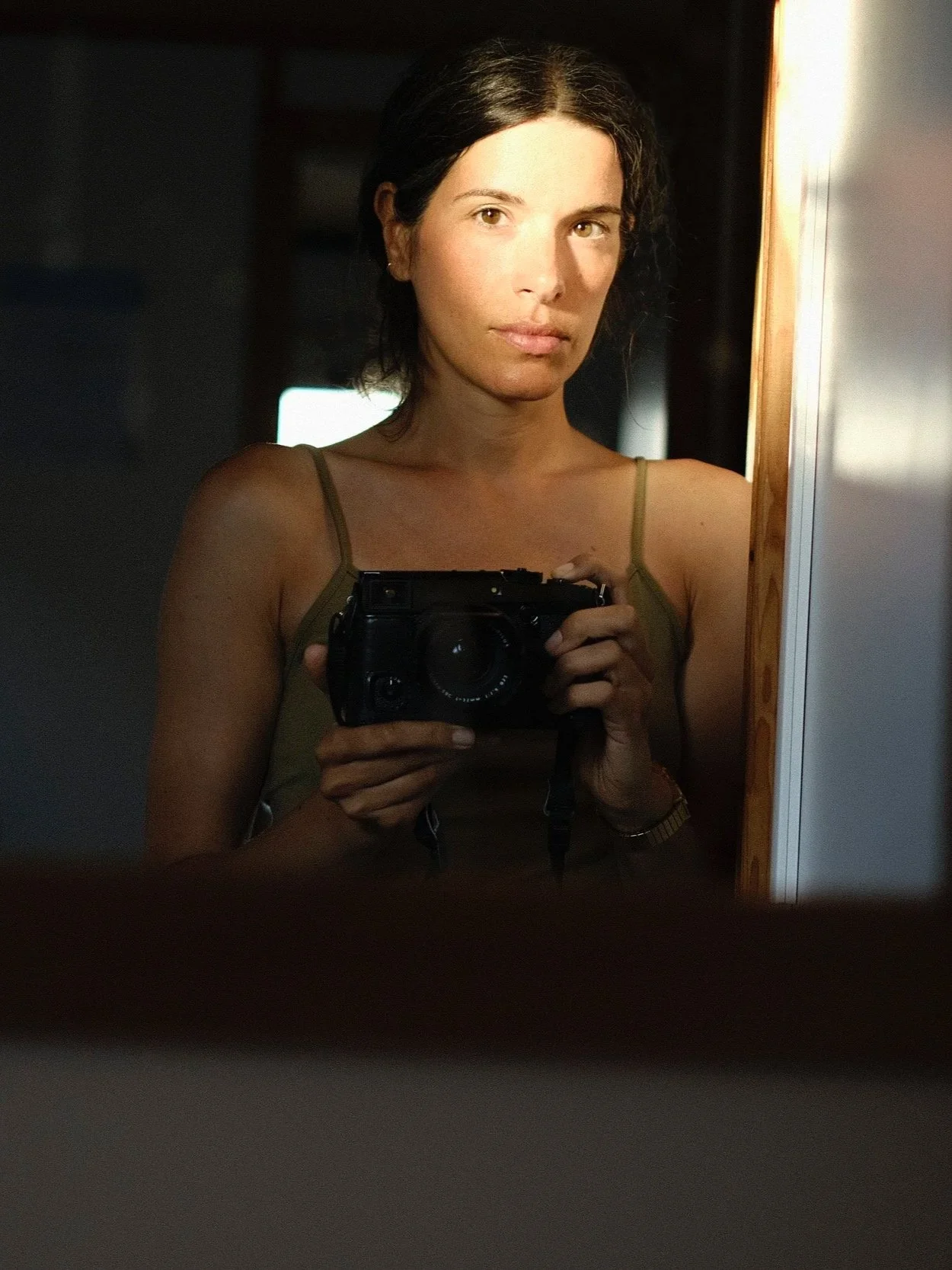
“I still have a lot to learn in terms of enjoying the emptiness but I believe that emptiness is the fertile ground. We have to wait and let the ideas come to us. This time around, I’m definitely more patient. I trust that things happen as they should. I have plenty of ideias. Idéias não faltam! But you have to land the idea that makes sense for that moment in time. For me, each book has a very personal side so I like to let things evolve naturally.”
Interesting. I have a similar thing with my small projects for Mama Reads. An idea will come to me, a theme or a book I want to write about- and I sort of live with it for days. I go to sleep -and the idea is with me. I go for a walk and the idea is there. And even without intentionally thinking of it, it’s brewing inside, it evolves over time. So, I can only imagine with a book project. You live with it for a long time, then you send it out into the world. And all of a sudden, the relationship with your surroundings changes. Your awareness is in the lookout for new inspiration. Aware of what you’re seeing, witnessing… The process is so fun.
A question I like to include in these interviews: are there children’s books that were important to you as a child or books that you’re revisiting now as a mom that you’d like to share?
There are so many book that were important to me. Before we started the interview, I gathered some of my favorites. There’s one that I re-discovered recently, which I loved when I was little, Petzi. It’s a comic book series. There’s something quite special in Petzi’s humor. I bought this one at the Feira do Livro de Lisboa / The Lisbon Book Fair last year. I really enoyed sharing this book with my son, he’s at a perfect age. The characters in it, they just want to have fun.
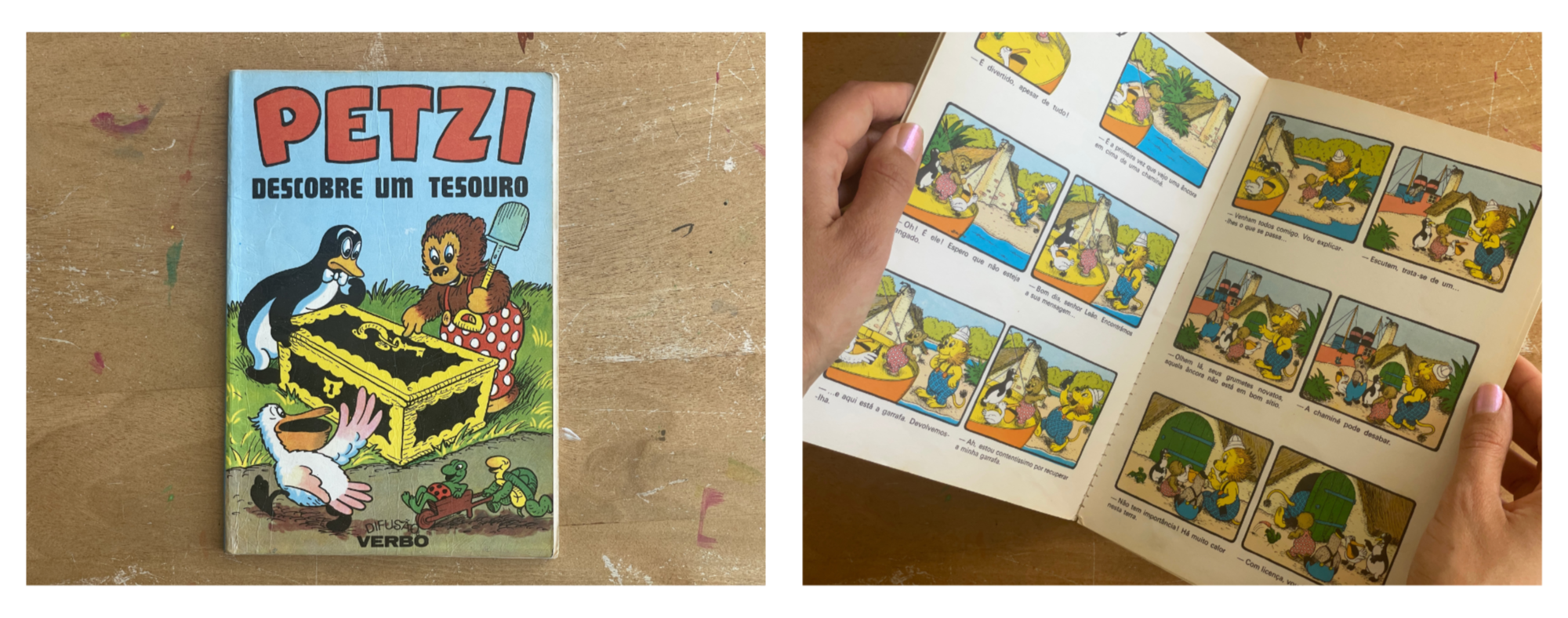
The story is so simple. Here, Petzi discovers a treasure- some of these references go way back. This translated edition is from 1976. The stories and plots aren’t necessarily that original. I think there are contemporary books that have more interesting stories but the mood of these characters, this desire they have to have fun, it’s quite special. In a different Petzi book, one that I read as a child, they were off on an adventure on a boat- I think this is a common theme in that series. So, they wake up one day and decide they want to travel around the world. Petzi’s mom, who’s a bear, says something like “Wait, wait! Here, have some pancakes for the way, so you’re not hungry.” I just remember reading this and thinking “Wow… his mom doesn’t care that he’s leaving on a journey around the world- she doesn’t get all worried.” I thought that was brilliant.
Now that you mentioned this boat journey- I noticed the tattoo on your wrist, a little boat.
Yes! I did a sailing course with my dad when I was fourteen years old. In a way, I got this tattoo in his honor. To be honest, at the time, I sort of hated it because I had to go to sailing classes every saturday morning and the Tagus River smelled bad. It was cold. [laughs] Looking back, I think it was an important experience. We had to study to take this navigation exam. My dad was really passionate about boats. I never sailed again but it was an experience that connected us. Can I show you another book?
Of course!
This one is by Richard Scarry. I think this is from the 1950s. I love his sense of humor, a little bit like Petzi. I mean, he’ll draw a pig cutting up sausages [laughs]. It makes no sense. It’s terrible, really. A banana car. I love the illustrations.
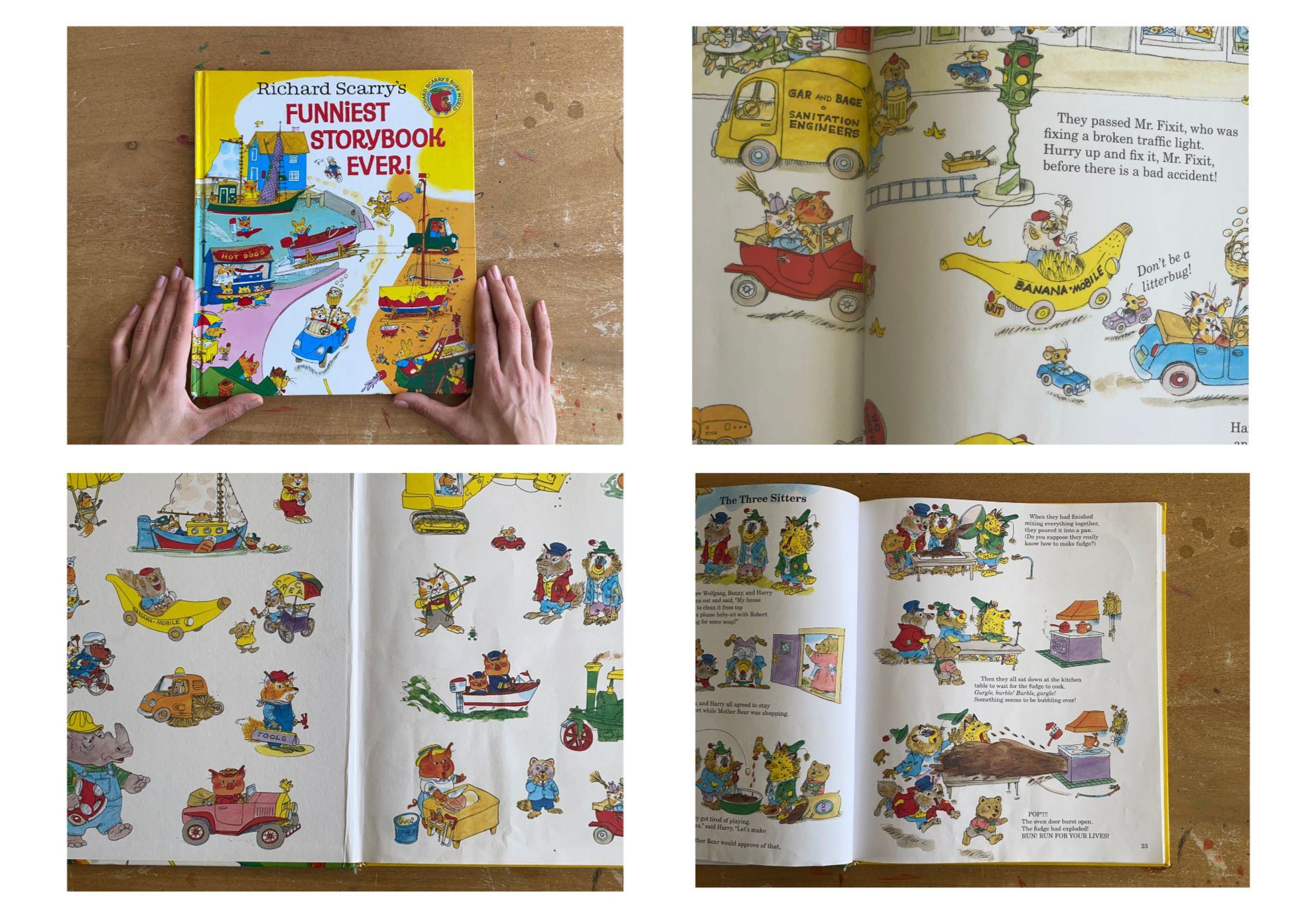
In the last book that I made, which is called The New Hat / O Chapéu [coming soon], I added a snail in almost every page. I did this because Marcus and my son were fascinated with this other book by Richard Scarry. They were always looking for this bug on the pages of the book, the goldbug. So I thought to add an animal that they could look for in my book too. It also sort of made sense, one of the characters, aunt Perpétua, she’s an elegant lady and her hair has a snail-like movement. So, it made sense.
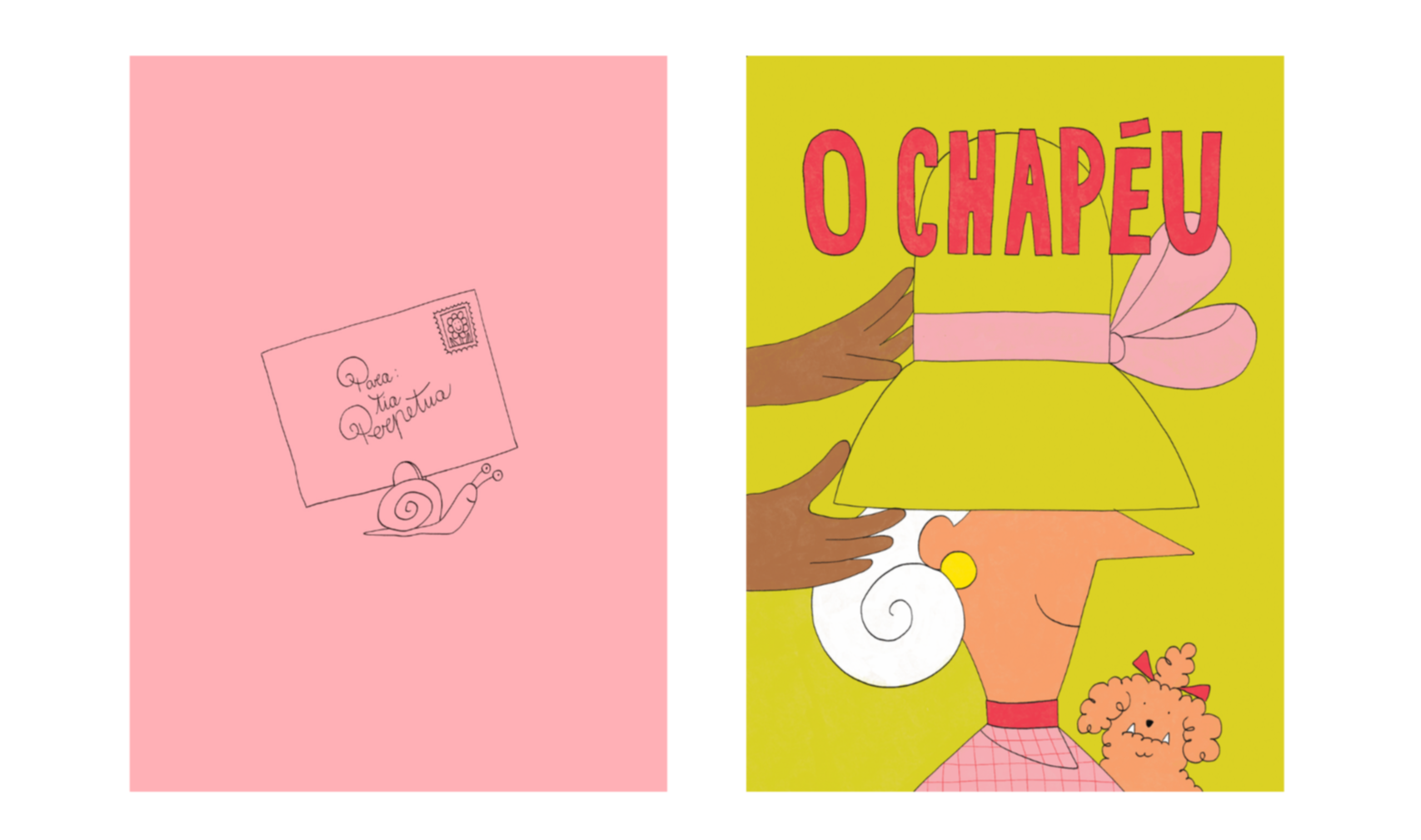
Speaking of snails… I had quite a lot of snail images popping up for me last year. One of the things I came across was this brilliant essay ‘Consider the Snail’ from The Dial- I’ll share it with you. There’s also a children’s bookstore in NYC called Spiral Books and their logo is a snail.
Funny- there is also a new bookstore in Lisbon called Lumaca, which is snail in Italian.
Snails everywhere. Something about it… It being emblemetic of slowind down, a slower pace of life. Maybe it’s just what we need.
On finding a balance between the inherent solitary nature of this type of creative work and finding the motivation to engage more with the community of bookmakers, Maria says:
“Creative work can be quite solitary and, to be honest, I’m the kind of person that is happy alone. I don’t mind being alone ‘nunca estou aborrecida estando sozinha’. Lately, I have been feeling drawn and curious about connecting more with people.”
Maybe this is where my new year word will come from. I recently joined a group called Picturebooks Berlin [for their instagram click here]. They hold monthly events for people that have published picturebooks. I’m really enjoying it. When I was working more with design, I was working with illustration but I wasn’t part of this world of children’s books. I feel like I’m opening up to this new approach, this community. I also felt this through Instagram, there are amazing people out there and they really support each other. I’m loving the energy of it. It feels good to get outside of my comfort zone and be more open to these connections. The Bologna Children’s Book Fair is coming up next month. It’s going to be ‘um extremo de socialização’. I’m mentally prepared for it.
This is interesting. When I used social media for personal stuff I definitely had a love and hate relationship with it. But since I started this project, Mama Reads, about a year ago- I feel different about it. It does feel like a community.
In these last years I started being proactive about following more artists and illustrators- things I’m interested in and it became something more positive and enriching. Still, I always think of social media with a bit of caution. We have to be careful not to get lost in the consumption, the element of comparison… I try and remember to get back to the body, meditation, to be aware of that side and keep a balance.
What kinds of places do you all meet up?
We don’t have a fixed location, so we meet at bookstores, sometimes at pubs, although it can be a little loud- but I only joined in December so I’ve only attended a couple of events. They’re organizing an exhibit called ‘Out of the Book’ [if you’re in Berlin and able to visit, the exhibit will take place between 07/25 - 08/15 click here for venue details] where we’re going to showcase pieces of art that relate to, are inspired by specific children’s books. For my piece, I decided to draw inspiration from my last book The New Hat / O Chapéu and create a mobile with various elements of the story: hats, the faces of the characters… Each piece will be tied to a children’s book. It’s been an amazing experience being a part of this community.
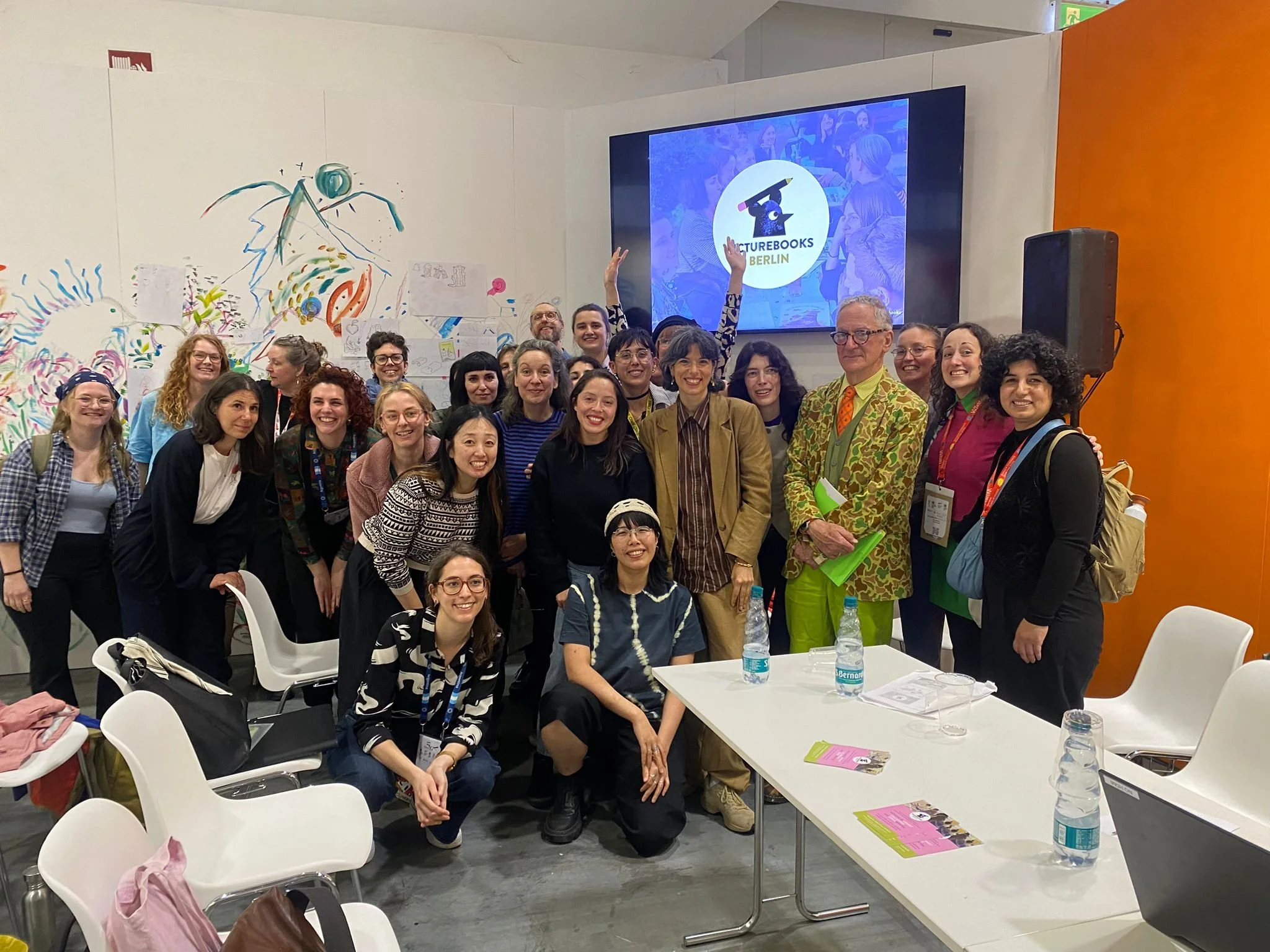
Picturebook Berlin at the Bologna Children’s Book Fair 2026.
It sounds super nice. Maria, thank you so much for taking the time to talk. I hope we’ll have a chance to meet in person one day, either in Europe or over on this side of the Atlantic.
Unless otherwise stated, all images included in the interview are the property of the artist, Maria Nogueira Nössing.
Please do not reproduce or share without her prior approval.
To view Maria’s bio and portfolio, visit her website at www.studiomariawalnut.com
[or visit illustrations - projects - books - about]
You can follow Maria on Instagram @mariawalnut and sign up for her newsletters on Rumicat - The Walnut Journal
For the design studio and publishing house of artist couple Marcus & Maria Nogueira Nössing, visit Studio Nozes
